Grand Yugotour
Venture past the city center to see Tito's hidden Blue Train, the peak of Mount Avala, and unique brutalist blocks rarely seen by visitors.
Grand Yugotour
Optional
Extras
Airport Dropoff / Pickup
€30 per car
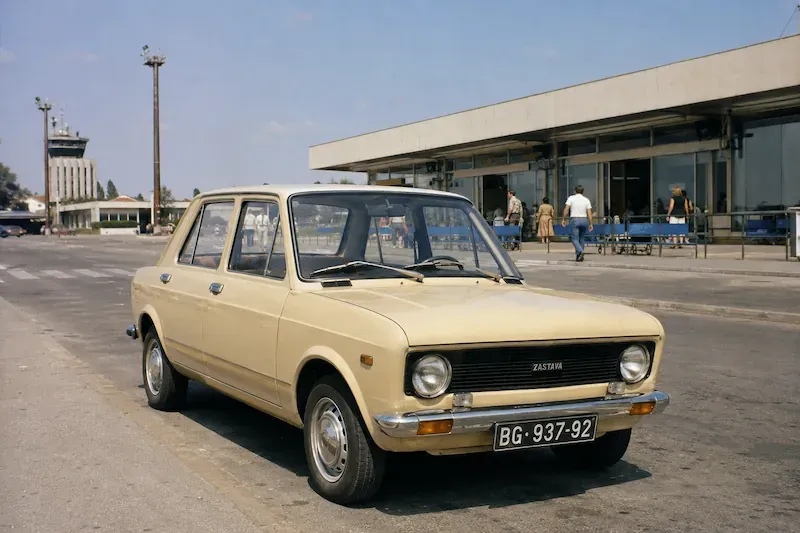
Can’t wait to discover Belgrade? Running out of time before leaving town? Or do you just want to surprise someone in true Yugo style? Get picked up or dropped off at the airport before or after your tour in a classic Zastava. Just let us know your take-off or arrival time when you book, and we'll be there with bells on.
Genex Tower Inside Visit
€15 pp / €20 single
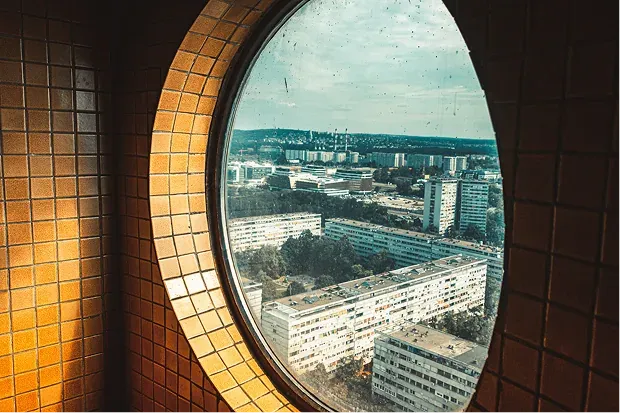
Even if this most iconic of brutalist buildings in Belgrade is included in your tour, you should add this visit to an apartment inside. Our architect friends at Brutalist Belgrade created an exhibition space in this high-rise, where you can probe deeper into Belgrade’s brutalist architecture and enjoy the amazing views while you're up there.
Museum of Yugoslavia & Mausoleum of Tito
€15 pp / €20 single
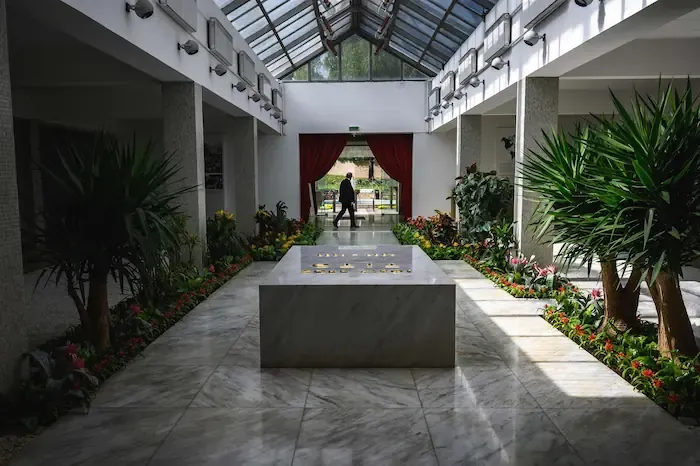
If you want to see the most Yugoslavian of Yugoslav places, this is a must-see. Visit the graves of Tito and his last wife Jovanka, and learn about who he was and the consequences of his death. At the same complex you'll find an eclectic selection of gifts Tito received, from an actual piece of the moon to ancient weapons. Throughout it all, the story of Yugoslavia is told—from the rise to the fall of Tito’s socialist dream.
Blok 61 / 62 / 63
€15 pp / €20 single
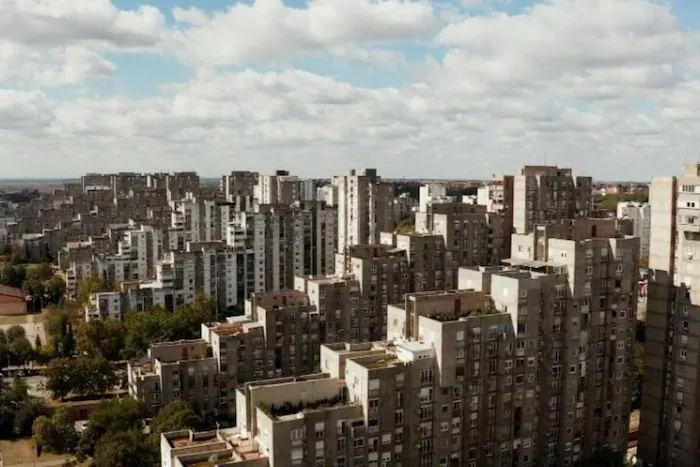
If you came to Belgrade for its impressive and sometimes crazy socialist architecture, then make sure to add a ride through the largest of its brutalist housing projects. You might spot the rows and rows of these concrete staircases from the plane when you fly in, but it's even more impressive when you're walking among these giants.
Rudo Towers Inside Visit
€15 pp / €20 single
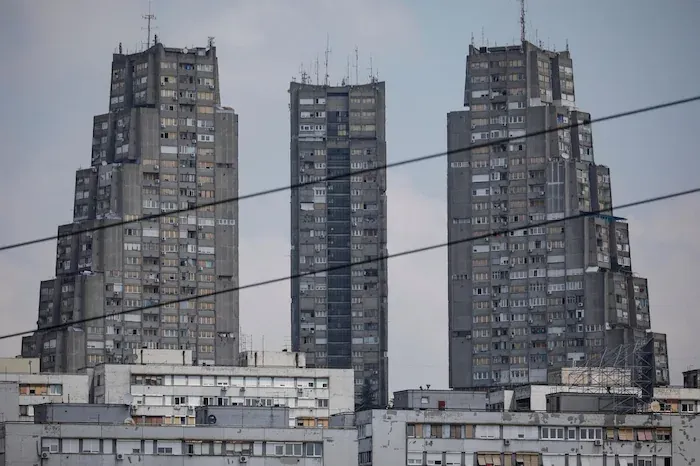
Our only package featuring this imposing trio of towers is the Grand Architecture Tour, if only because they're a bit hard to reach. But if you've only been to the Genex Building—Belgrade's Western Gate—then your list really isn't yet complete, at least not until you've visited this Eastern Gate of the city. Take a trip with us to the top floor of this brutalist behemoth.
Belgrade is much bigger than just the city center, and many of the most interesting traces of socialist Yugoslavia are actually found on the edges of town. On this tour, we’ll get out of the usual tourist areas to see Tito’s private Blue Train hidden in an old hangar, drive up Avala mountain to the city’s highest lookout, and cruise through brutalist neighborhoods that most visitors never get to see. It’s a full day of exploring the real, raw side of Yugoslav history and architecture.
Start of the Tour
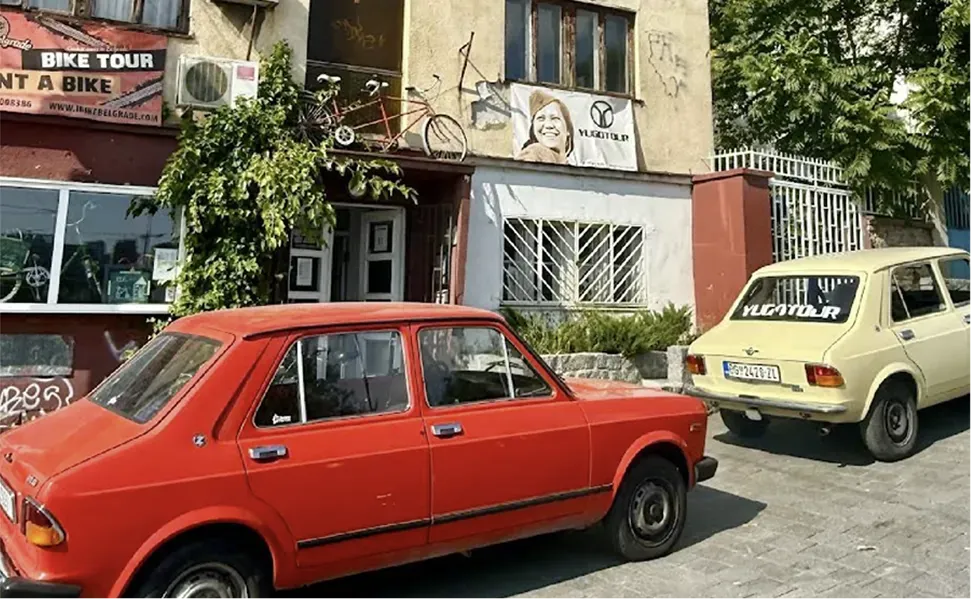
Things kick off at the Yugotour Headquarters at Karađorđeva 11. This is where you meet your driver and vintage Zastava automobile.
Note: Alternate pick-up and drop-off can be arranged while booking.
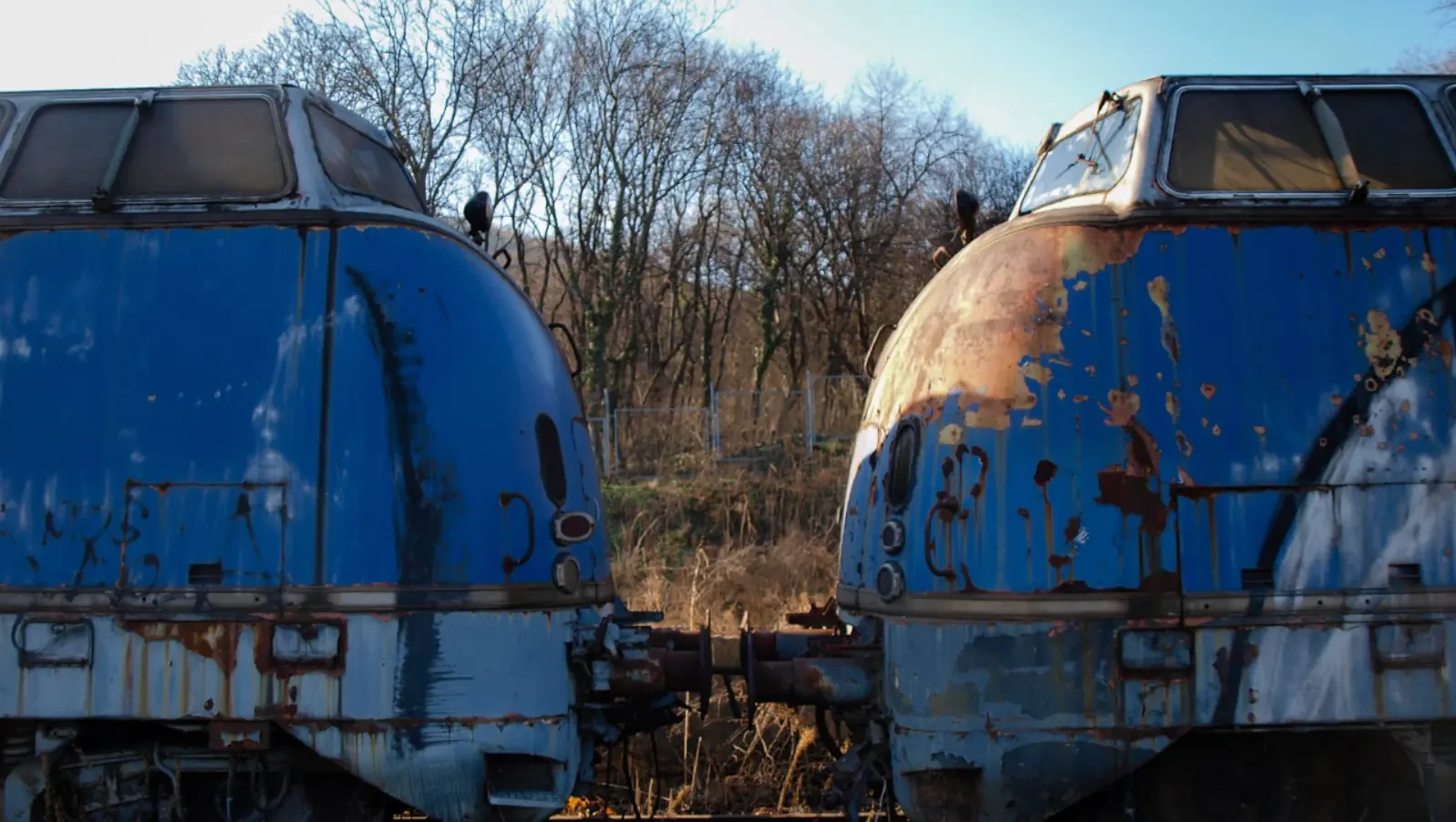
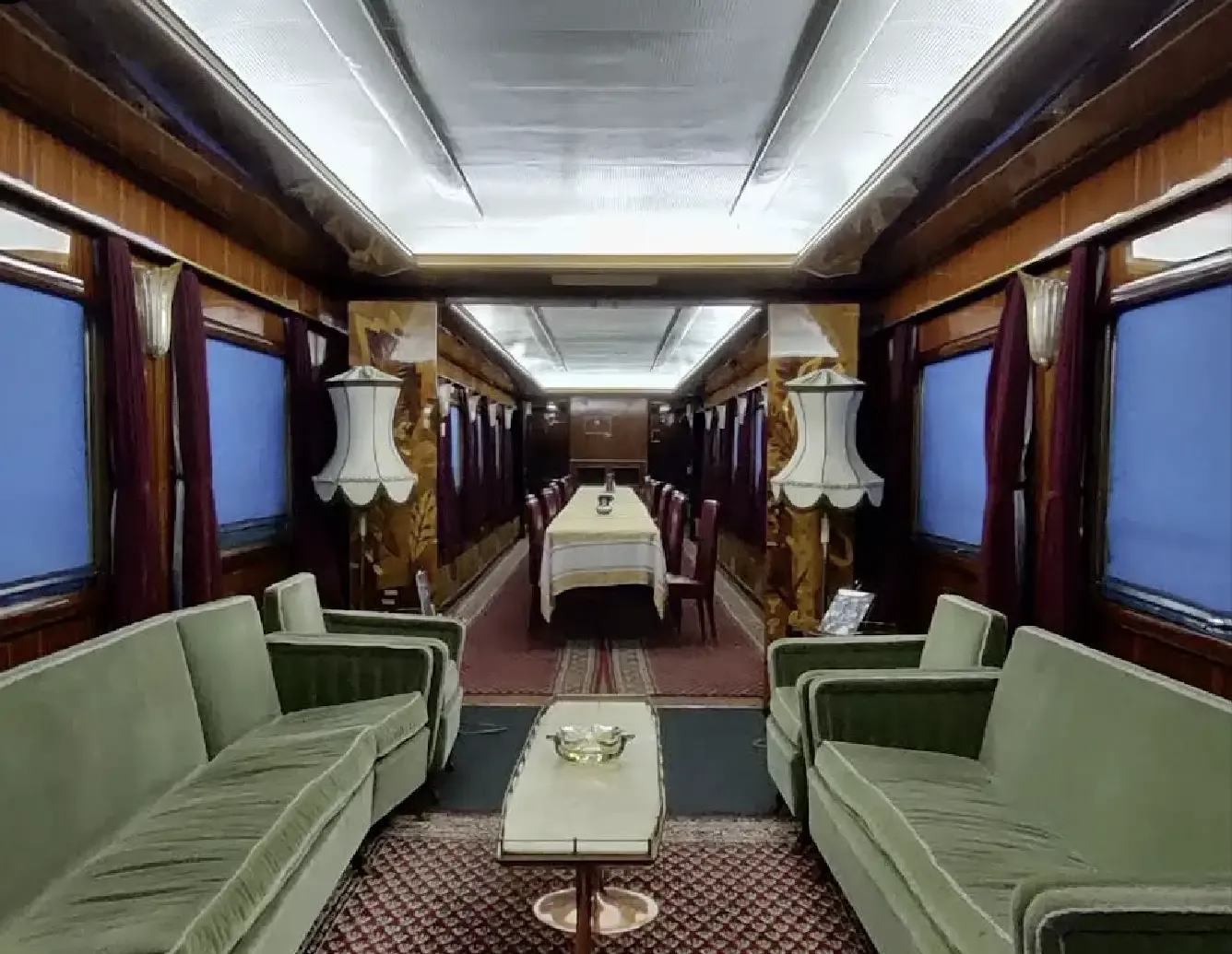
Tito’s Blue Train
Tito may have been a brave Partisan leader during WWII, but he was actually a very nervous flyer. Because of this, his favorite way to travel was his custom-built Blue Train. It’s currently kept in a maintenance hangar outside the city and is still in great condition. You can walk through the carriages, sit in Tito’s private office, see the clever details in his meeting room, and even check out the presidential bathroom.
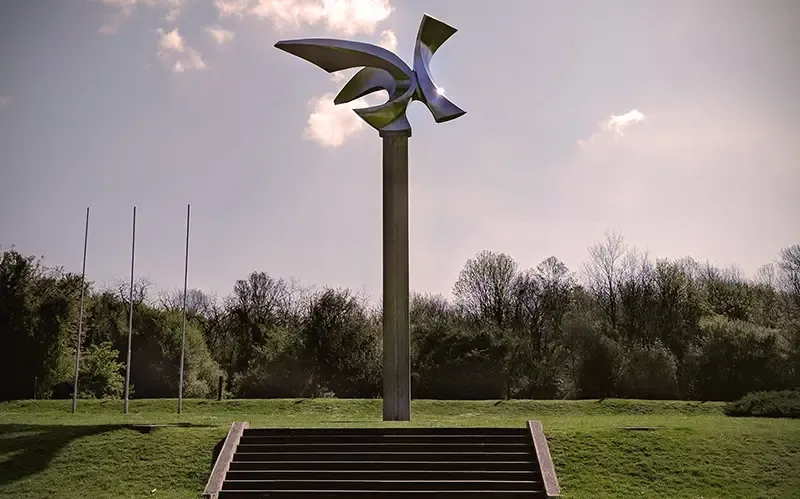
Jajinci Memorial Park
We’ll stop at Jajinci, the site where 65,000 prisoners from Belgrade’s concentration camps were executed during WWII. Today, it’s a very quiet and peaceful park. It’s a powerful place for reflection, with a large memorial and some of the original fence posts used during that time still standing.
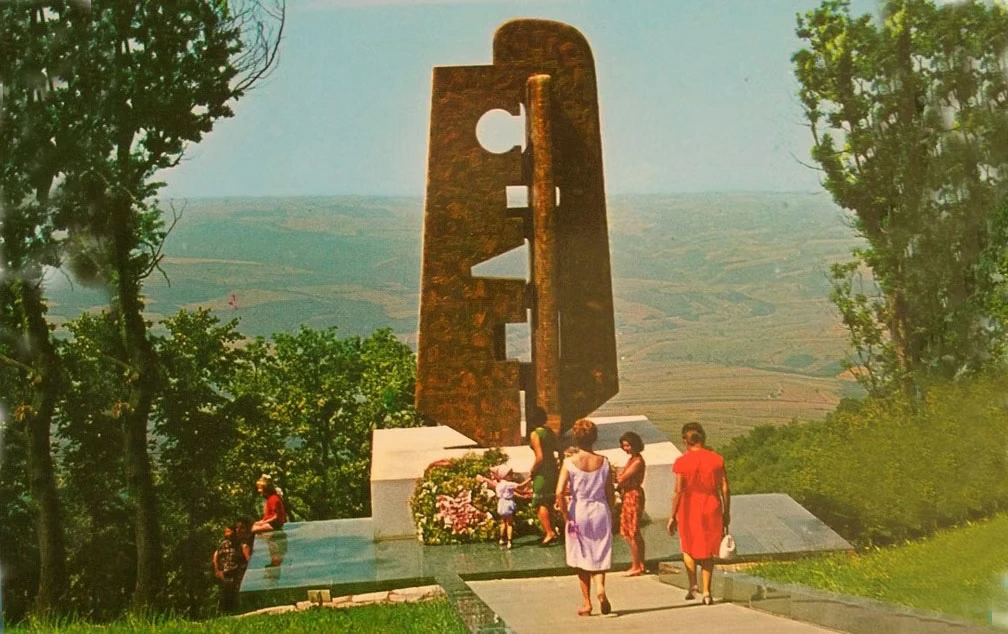
Monument to the Soviet War Veterans
On the way up Avala mountain, we pass a monument dedicated to a Soviet military team whose plane crashed here in 1964. People still debate what caused the crash—was it just the thick mountain fog, or was something else going on?
Avala Tower
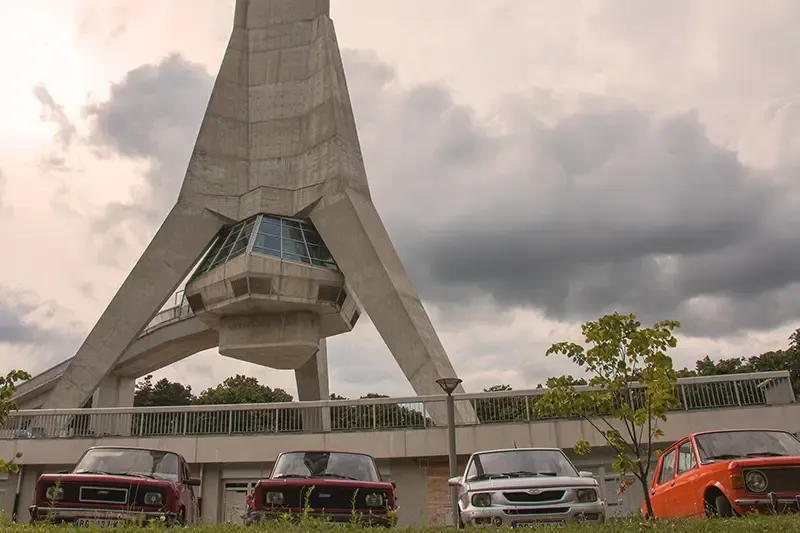
At over 200 meters high, this TV tower was a major landmark until it was destroyed during the 1999 NATO bombing. It’s since been rebuilt exactly like the original and is open to the public. The view from the top is incredible, but the tower itself looks just as impressive from the ground.
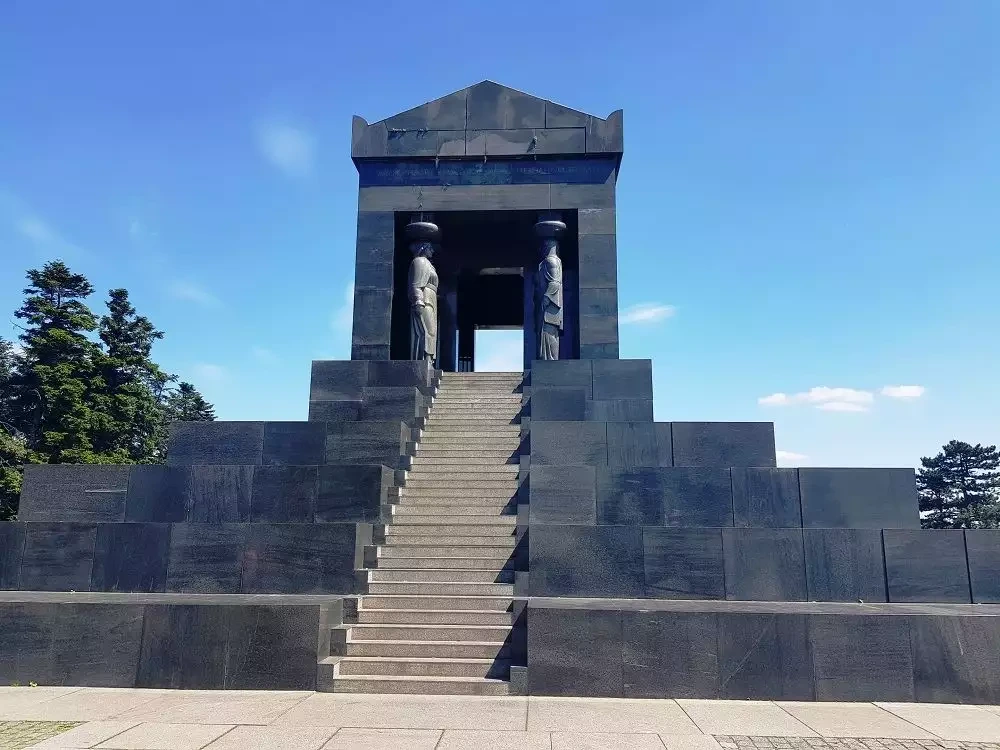
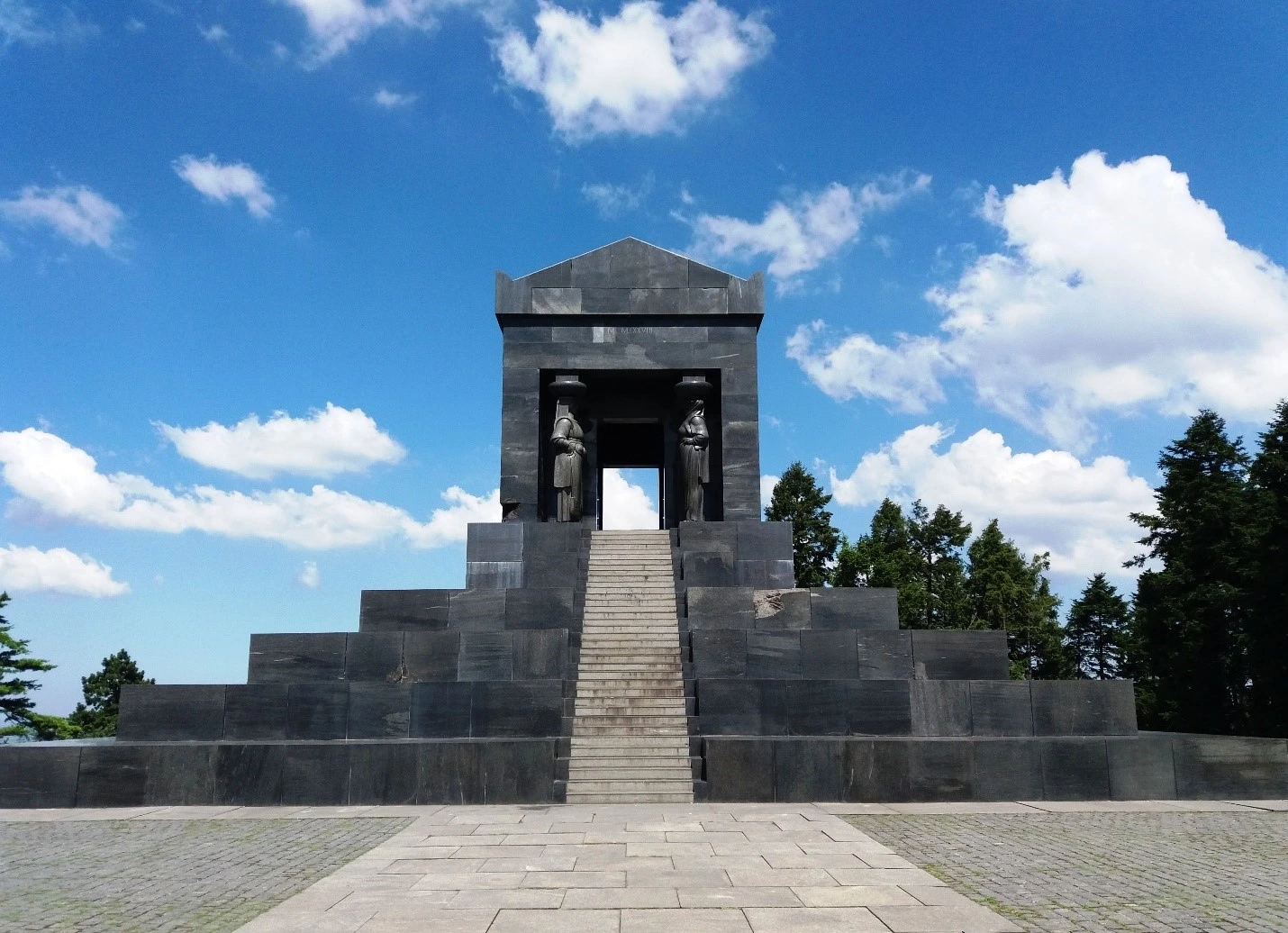
Monument to the Unknown Hero
At the very top of Avala is a massive monument built after the heavy fighting of the First World War. It was designed to honor the fallen soldiers, with eight huge statues representing the different people that made up the Kingdom of Yugoslavia. It’s a grand, quiet spot with a great view over the countryside.